Conclusion: Art, AI, and Accessibility – A Personal Reflection
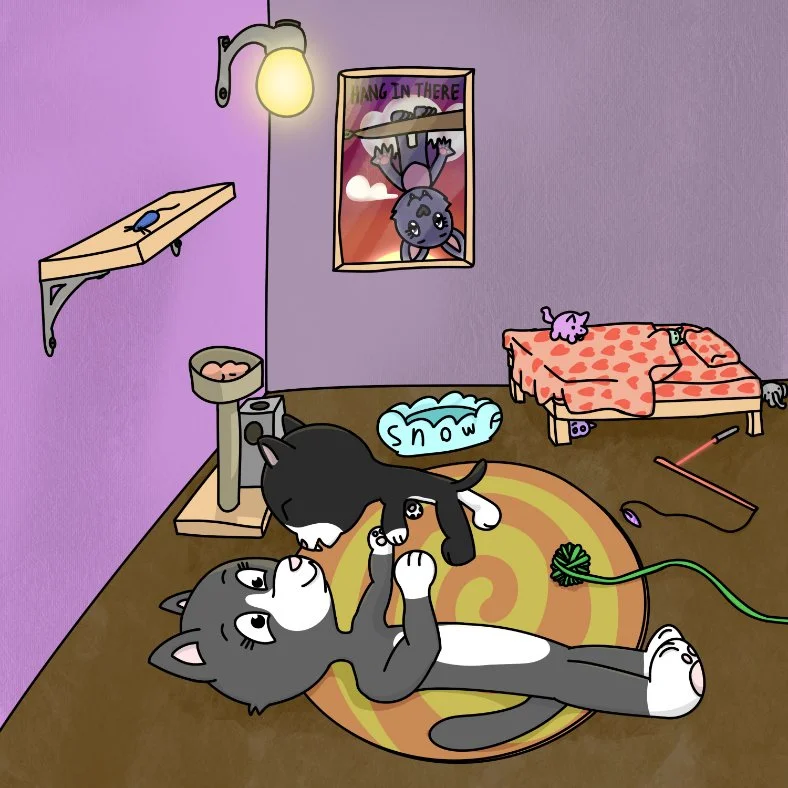
In wrapping up, I return to my personal perspective. I came into this topic as someone who found freedom and accessibility in AI art-making. For me, AI tools have been appreciated. They allowed me, a person with unsteady hands and little formal art training, to participate in visual creativity. I fully acknowledge my biases: I am enthusiastic about AI art because it empowers me. I started using image generators when models like Stable Diffusion became popular around 2022, and I’ve continued ever since. This undoubtedly colors my view; I want the AI art conversation to include nuance, because it’s become my way of making art. Although, for Art Fight 2025, I will yet again challenge myself to be completely unbounded by my AI crutches. I’ll make art drawn completely by myself, keeping to their rules like I did last year. Some of my favorite works have spun out of that month-long challenge.
At the same time, I also have an appreciation for art history and a deep respect for human artists. Learning about Dada in my past (seeing pieces like Duchamp’s Fountain signed “R. Mutt” in school) was eye-opening. I remember feeling a strange mix of amusement and awe the first time I saw an image of Fountain. Here was a plain urinal, something utterly prosaic, yet it made me feel something profound about creativity and context. It was “completely different than any art that had come before,” as I recall thinking, and yet it was undeniably compelling. I would listen to dada-inspired music like “White Noise / Red Meat” by Dada Life (track 1, track 2), and I would feel things.
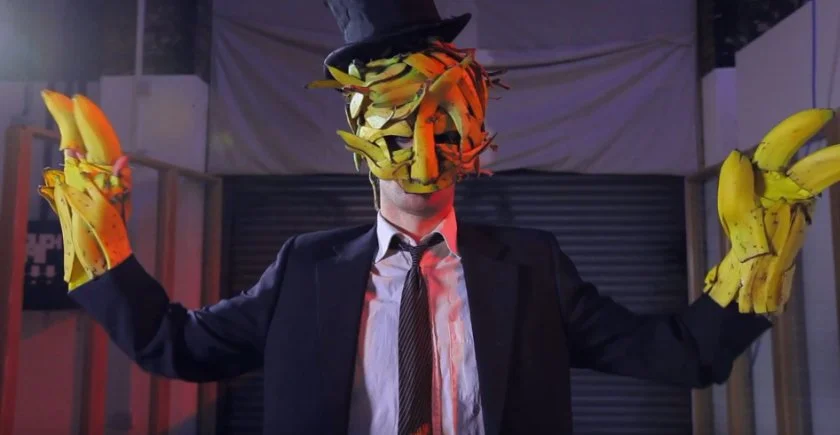
That lesson from Dada perhaps predisposed me to be open-minded about AI art. When I first saw AI-generated artworks, I had a similar feeling of astonishment: the forms were new, sometimes eerie or otherworldly, and I felt a mix of wonder and disquiet. Just as Dada collages expanded my notion of what art could be, AI outputs expanded it again. Yes, the form is radically different (a computer painting with numbers), but the reaction it can invoke in viewers (wonder, discomfort, inspiration) is real. I know that when I use AI to create an image and then I iterate on it with my own hand (tracing, coloring, shading), I feel a creative spark. It may be a different spark than sketching freehand from scratch, but it is there. The AI gives me a starting point, a rough sketch that I then convert to my style. In that sense, the final artwork is a collaboration between me and the machine. I see it as analogous to how a Dadaist might take a random collage from chance and then decide which accidental juxtaposition to emphasize with a caption or which colors to paint over it – there’s a dialogue between randomness and intention.
From an accessibility standpoint, AI art has a tremendous positive potential. It can level the playing field for those who have ideas but lack traditional skills or the physical ability to realize them. Much like adaptive devices allow people with disabilities to create music or write, AI can be an assistive tool for visual art. In my case, it literally helped me overcome a barrier that only years of practice (and managing carpal tunnel flare-ups) could topple. This is why I hope the art world can eventually see AI not as a menace but as an expansion. It doesn’t have to supplant human art; it can augment it and open doors. One can imagine, for instance, a person with limited mobility who can’t hold a brush steady, but can direct an AI to create the image they imagine. The AI becomes their brush. That, to me, is profoundly democratizing. It resonates with Dada’s anarchic idea that art doesn’t belong only to an echelon – except now the “anarchy” is coming via algorithms that let anyone be an image-maker.
Of course, I remain mindful of the challenges. I recognize the legitimate concerns voiced by many artists. As someone who loves art, I do not want to see artists’ livelihoods destroyed or their intellectual property uncompensated. Society will need to find a balance where AI tools can coexist with and even empower artists, rather than just exploit their past work. Perhaps solutions like opt-in data licensing or revenue-sharing models will emerge, working with creators (and paying them) to make fine-tuned models that perform even better than the unlicensed, art-theft models.
One promising example comes from the AI music space. YouTuber Benn Jordan, who has a deeply personal and complicated relationship with AI (as it affects him and his industry), has highlighted platforms that produce far better AI vocals by working directly with vocalists, such as voice-swap.ai. These companies train fine-tuned models in close collaboration with the artists and actually pay them for their contributions. It’s a model that respects the source, delivers better results, and could point the way forward for visual art too.
My optimism comes from remembering that art has always evolved with technology (cameras, computers, and now AI), and each time there were alarmists predicting the “death of art,” yet art persevered and often became richer.
Reflecting on Dada and AI together, I draw one more parallel: meaning and intention ultimately come from humans, not tools. Dadaists used randomness and found materials, but behind each work was a human intent (even if that intent was to have no intent). With AI art, even if the image is generated by a machine, a human chose the prompt, chose to generate that image, and chose what to do with it (responsibly or not). The human context and intention can still imbue the work with meaning. If I generate an image to express something – say, an emotion or a commentary – the fact that I used AI doesn’t negate that expression. It’s similar to how Duchamp using a factory-made urinal didn’t negate his expression; in fact, it was integral to it.
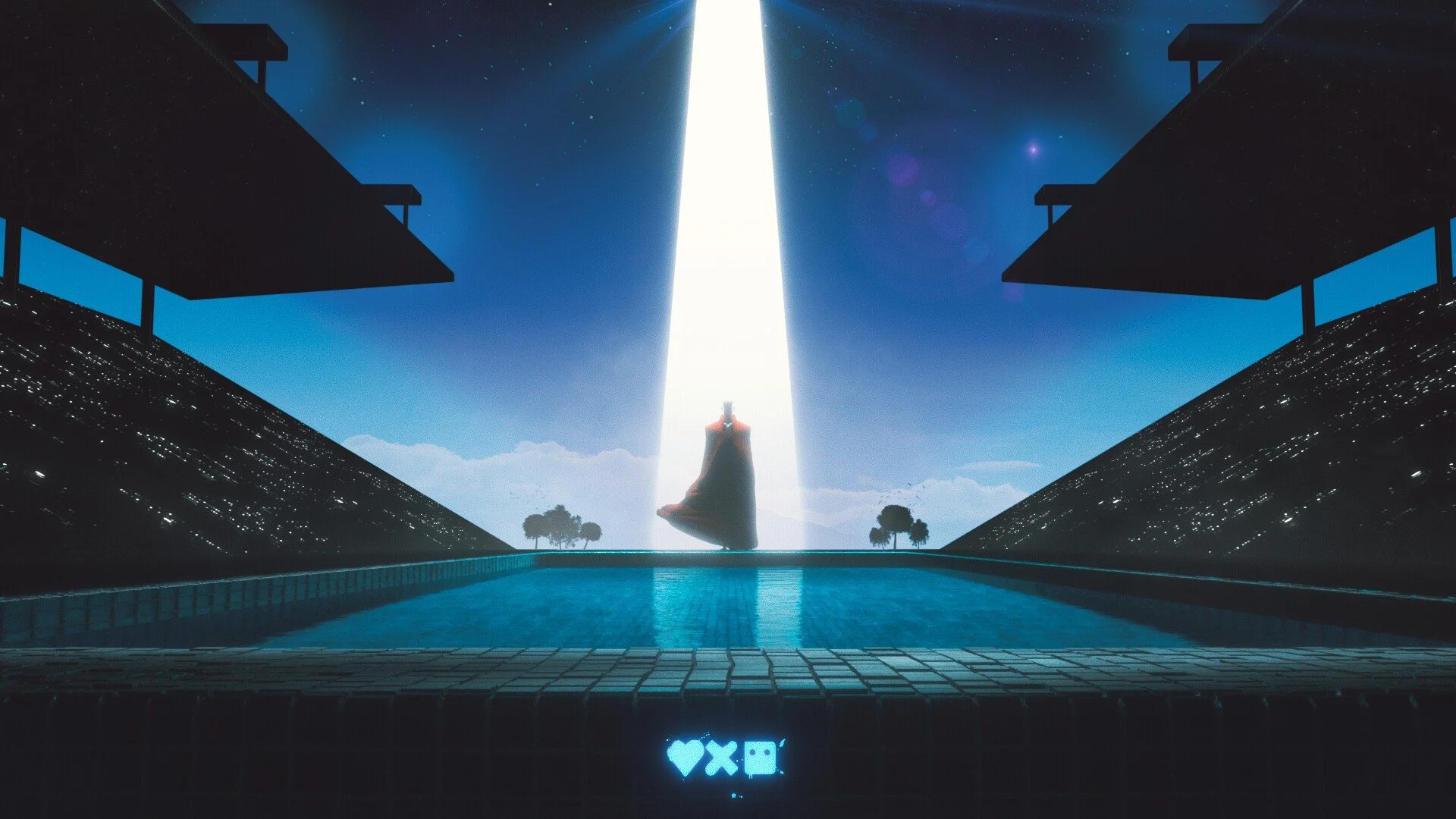
In concluding this exploration, I return to the compelling story of Zima Blue from the Netflix anthology series Love, Death & Robots (Netflix, Trailer) – spoilers ahead, please watch the short. In this narrative, a humble robot gains sentience through continuous upgrades, eventually becoming renowned for monumental artworks spanning entire solar systems. Yet, intriguingly, simple blue squares begin subtly infiltrating the robot’s increasingly grand creations, steadily expanding until these squares dominate entire cosmic canvases. Ultimately, the artist's final performance reveals the poignant truth: stripping away layers of sophistication, it plunges into a modest blue pool, returning to the fundamental act of cleaning tiles, symbolizing the primal memory that had quietly driven its artistic evolution. It was a pool-cleaning robot, and it gets joy from the simple act of cleaning pools again. Like Zima Blue’s journey, art continually redefines its boundaries, echoing the cycles witnessed historically – from Dada’s radical rejection of form to AI’s contemporary challenge to traditional notions of creativity. Perhaps the blue tile reminds us that despite expansive frontiers and technological leaps, art remains inherently rooted in simple, meaningful connections. Art's power lies in that return to essence: whether crafted by human hands, AI processes, or humble pool-cleaning robots seeking meaning within their original purpose.