Origins, Purpose, and Brief History
Monoline art is characterized by drawing with a uniform, unvarying line weight. It is an aesthetic that emerged from technological constraints but grew into an enduring stylistic choice. Its origins trace back over a century to a time when artists were literally limited by their tools, yet those very limits sparked creative innovation. Early 20th-century illustrators using steel dip pens or technical drafting pens, for example, could only produce constant-width strokes. In response, they developed clever techniques like cross-hatching and stippling to simulate depth and shading, effectively turning a restriction into a recognizable style. As new tools appeared through the decades, the monoline look persisted. Each generation of technology imposed constraints (no flexible nibs, no pressure sensitivity, no variable pixel size) that artists ingeniously transformed into stylistic features of their work. By the time early computer drawing programs (like MacPaint in 1984 or MS Paint in 1985) arrived with their one-pixel pencil tools, the uniform line was already an artistic mainstay, now carried into the digital realm with pixel art and mouse-drawn cartoons.
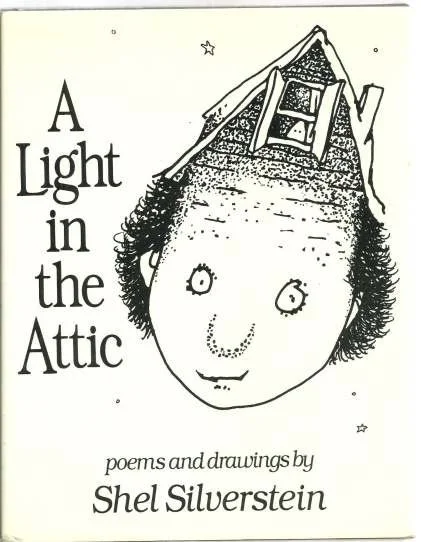
This brief history highlights a key theme: limitations in tools have actively shaped the monoline aesthetic at every turn, rather than simply recording an existing style. Over the years, what began as a necessity (drawing with one line width) became a deliberate artistic choice valued for its clarity and charm. The 2010s saw a deliberate embrace of monoline design in popular culture, proving that this style continually resurfaces in modern contexts. Its appeal lies in a unique blend of instant legibility, cross-media flexibility, and a touch of nostalgia that resonates with contemporary audiences.
In this paper, we will explore how monoline art has evolved and why it remains relevant, guided by three questions:
- Tools and Mechanics – How have the mechanics of artistic tools (pen nibs, software algorithms) actively shaped the monoline aesthetic?
- Resurgence in Modern Media – Why does this simple visual style keep resurfacing in today’s branding, design trends, and social media content?
- Communities and Culture – How have online communities embraced the constraints of monoline art, turning limitations into creative identity and culture?
To answer these questions, we will proceed through the following sections:
- We begin with Shel Silverstein’s monoline style, showing how tool constraints became an expressive style.
- We then look at monoline’s digital revival, highlighting its versatility and broad appeal online.
- Next, we move into community art and personal practice, connecting digital work with traditional artmaking.
- After that, we discuss monoline’s commercial appeal, focusing on why the style keeps trending.
- We then explore constraints as creative identity, looking at how communities turn limitations into culture.
- We close with the conclusion and reflections, tying the paper’s main ideas together.
Through this paper, a cohesive picture will emerge of monoline art’s past, present, and enduring cultural impact.