The Paradox of Invisibility and Persistent Presence
Mannequins in our current decade embody a curious paradox: they are meticulously designed to be seen, yet simultaneously intended to remain unnoticed. Their fundamental purpose in retail is to inconspicuously showcase clothing and accessories. In this sense, an effective mannequin "disappears," directing the viewer's attention entirely to the garment it wears rather than its own form. This is often reinforced by modern designs, such as blank egg-shaped heads or even the complete absence of a head, which emphasize an abstract human form devoid of personal identity, thus minimizing distraction.
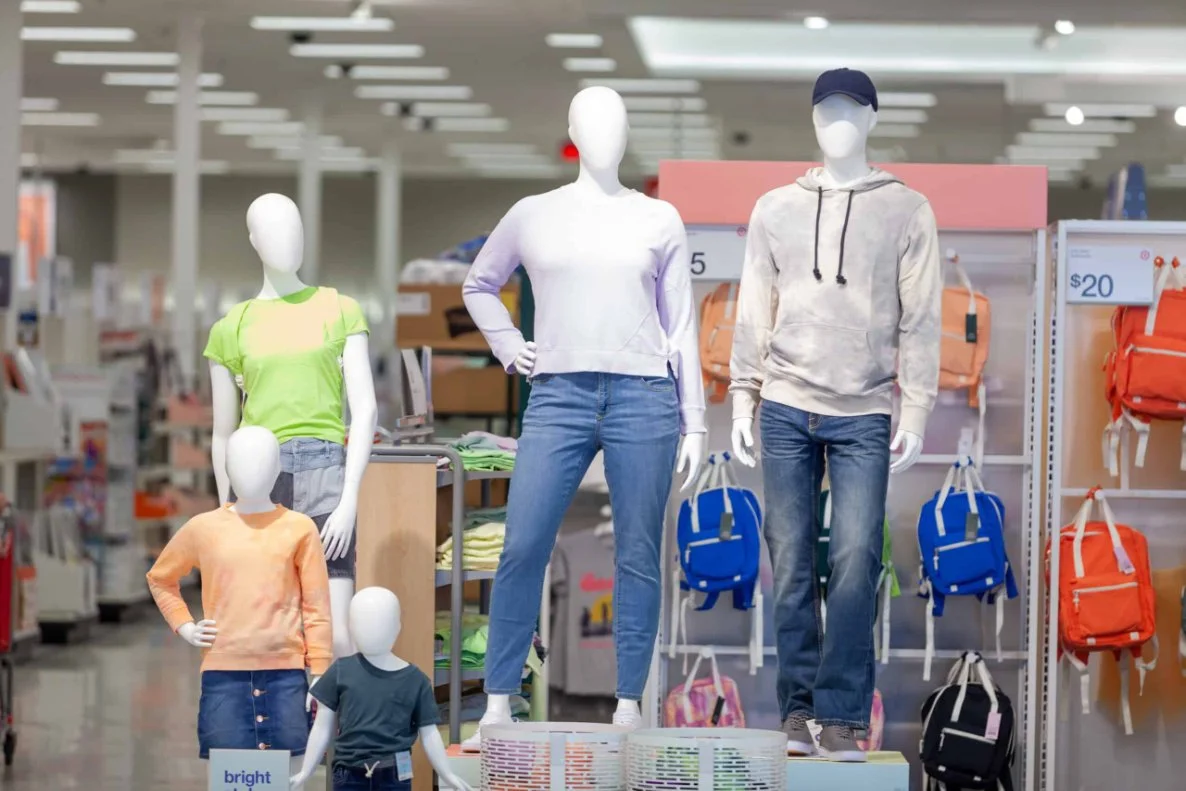
However, for objects meant to be invisible, mannequins possess an uncanny ability to persistently assert their presence. When removed from their expected context (a pristine boutique window) and placed in an unexpected setting, such as an abandoned store, a dark warehouse, or a sculpture garden, their "invisible" nature abruptly shifts, transforming into an intensely uncanny presence. This unsettling quality stems from their human-like form existing in a state of abeyance. Lifeless, silent, yet eerily close to being alive.
The lasting physical permanence of mannequins, particularly those made from non-biodegradable materials like fiberglass, has inadvertently forced society to reckon with them in new contexts. Because they do not readily disintegrate, old mannequins accumulate in backrooms, junkyards, and resale warehouses. It is in these liminal spaces that people "notice them again," often with a mixture of fascination and unease. This very durability, which allows a mannequin to remain intact for decades, enables its eventual transformation into a cultural artifact or an artistic medium, long after its initial retail function has expired. Mannequins have effectively gained a second life as cultural symbols, representing fashion history, consumerism, art, or even deeper existential themes. Their endurance in the imagination is precisely because they offer a blank, human-shaped canvas onto which meaning can be projected. An object originally conceived as a neutral dress-holder can, under the right circumstances, provoke profound thoughts about bodies, identity, or mortality.