Cozy vs. Creepy
One fascinating aspect of this aesthetic is its versatility of tone. Depending on how it’s used, low-poly imagery can feel warm and comforting or eerie and disconcerting. Many creators deliberately play with this spectrum: some crafting soothing, dreamlike scenes reminiscent of childhood imagination, others exploring the uncanny, liminal qualities of old 3D graphics. Here we highlight two ends of this range:
Geo H3x (@GeoH3x) – A creator whose animations I find to be cozy, evoking a gentle nostalgia.
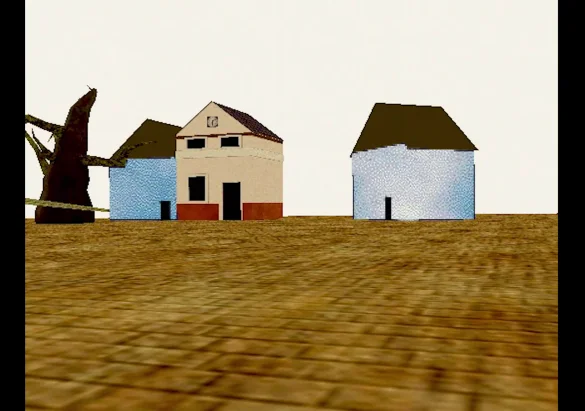
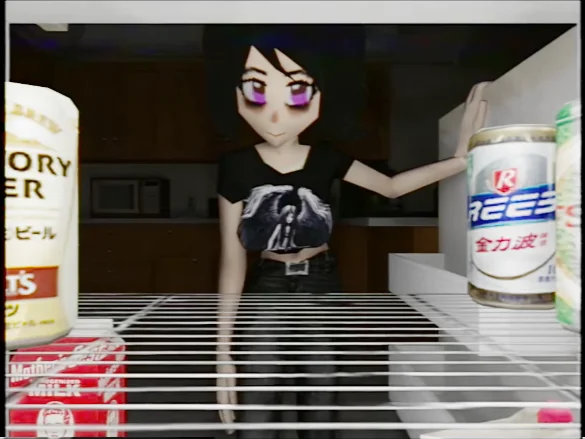
Geo H3x’s channel tagline even states, “I make animations that you will only see in your dreams.” This encapsulates the vibe: his videos present surreal yet comforting scenarios in low-poly or early-2000s PS2 style. These scenes have a liminal quality, but they aren’t horror; instead they give off a melancholic comfort. The use of low-poly graphics enhances this mood: the simplicity and slight abstraction let the viewer soak in the atmosphere without overbearing detail, much like a wistful memory or half-remembered dream. Geo H3x often incorporates soft lighting and ambient music, making the experience “visually relaxing,” akin to the calming low-poly approaches noted by game designers. They leverage nostalgia to create a safe, heartwarming space for the audience. Watching his animations can feel like stepping back into an early 3D game world, but one that is peaceful, slow-paced, and reflective rather than action-packed. It demonstrates the wholesome, contemplative side of the aesthetic, where nostalgia is used to soothe.
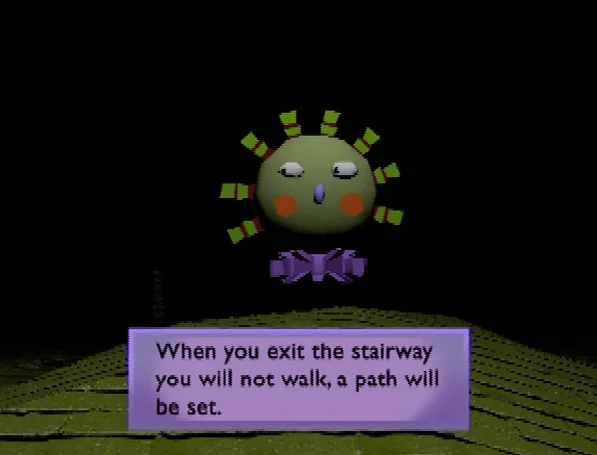
Sobog (@sobog) – In contrast, Sobog’s animations explore the darker, more surreal and unsettling potential of low-poly art (GeoH3x example, Sobog example). This creator often presents scenes of emptiness, isolation, or sequences inherently tied to mental health, using the starkness of retro-3D to amplify feelings of eeriness. The empty spaces and technical imperfections create an uncanny atmosphere. The viewer senses something “off” or lost, much like the haunted quality some find in liminal space photography. In fact, Sobog’s work often feels like the video equivalent of the “empty mall at 4 AM” aesthetic: simultaneously nostalgic (we recognize the 90s graphics) and deeply unsettling in its loneliness. The creator has mentioned (in a since-removed video) that they were drawing on their own emotional struggles and anxieties in crafting these pieces, channeling feelings into visual form. The low-poly medium serves this purpose well; its inherent roughness and distortion can mirror psychological unease. This echoes what horror game makers discovered: low fidelity can sometimes be more disquieting than realism, because the mind fills in the blanks with fear (similar to movies utilizing darkness to terrify rather than fully detailed creatures). Sobog applies that principle to more personal, introspective content. The result is art that uses the PS1 aesthetic not for cozy nostalgia, but to probe the precarious, darker nostalgia – the way old memories or retro visuals can also carry eeriness or sadness.