My Relationship With Food
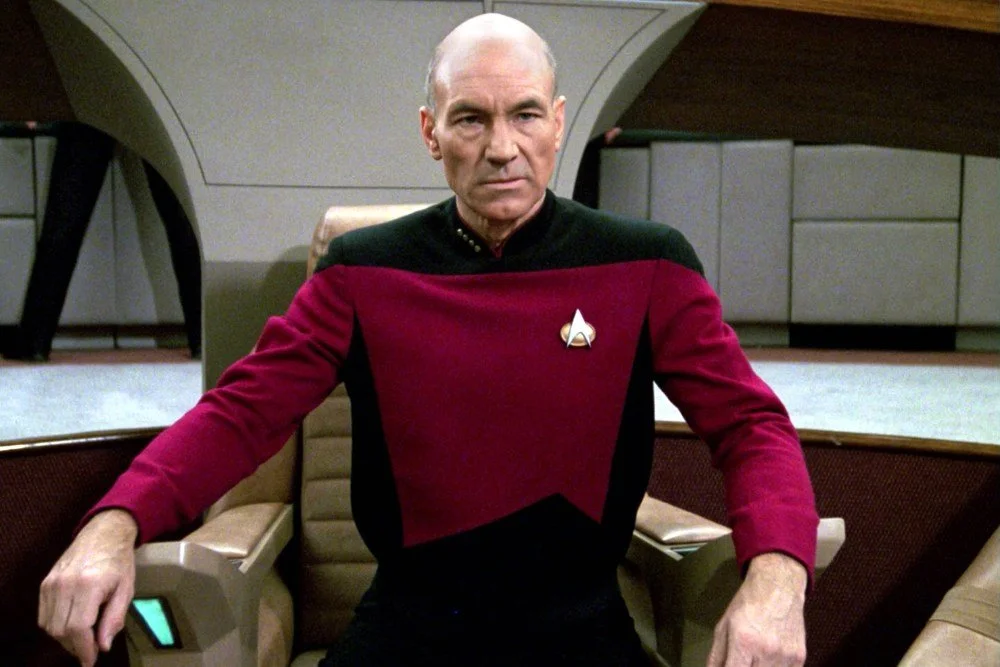
I have always been a creature of habit, finding comfort in the familiar rhythms of my day. One of my most cherished nightly rituals is watching Star Trek: The Next Generation (TNG) before bed. Every night around 10 PM, I dim the lights, curl up on the couch, and step aboard the starship Enterprise. There is something profoundly calming about Star Trek: TNG. The optimistic ethos, the philosophical dilemmas resolved with wisdom, and even the measured pacing of the show. The Next Generation was paced for a different audience (compared to today’s pacing). The crew’s civil camaraderie and Captain Picard’s sage guidance have a way of soothing my nerves. Night after night, I return to these episodes as a form of meditation, letting the Enterprise-D ferry me away from my own daily worries. Rooted in Roddenberry’s humanist vision, with its belief in human dignity, moral growth, respect for diversity, and the steady triumph of reason over ignorance, the show instills in me a gentle optimism as I drift off to sleep. For me, Star Trek isn’t just science fiction; it’s a comforting ritual and a thoughtful exploration of humanity that frames each day’s end with peace and perspective.
My late-night TV habit often pairs with another guilty pleasure: midnight snacks.
Specifically, I have (had) a soft spot for Jack in the Box hamburgers. Every so often, I treated myself to a late-night run through the Jack in the Box drive-thru, always armed with a coupon for a free Jumbo Jack burger (I’m a rampant couponer). On some nights, I’d swing by the 24-hour location, order two Jumbo Jacks (one free, thanks to the coupon, and one paid) and take them home as my after-supper. It became almost spiritual: I’d get home around 10 PM with my bag of burgers, set up an episode of Star Trek: TNG, and unwrap the foil paper carefully. I time everything so that the episode can start right away while the food is hot. I didn’t compliment TNG with a hamburger every night, of course (maybe once a month) but often enough that it felt like a special feature of my Star Trek wind-down routine. There was a comforting symmetry to it: the philosophical nourishment of Star Trek combined with the literal nourishment of a warm, if not entirely healthy, hamburger.
It might seem odd that I chose late-night burgers as a routine, given that I’ve never been much of a foodie. In fact, I have anosmia, which is a complete lack of a sense of smell, and I’ve had it for as long as I can remember. Because smell is so integral to taste, most foods come across as bland or muted to me. As a result, eating has always felt more like a necessary routine than a source of pleasure. I rarely get actual hunger pangs and often have to remind myself to eat by the time of day, not by appetite. For years, my daily eating habits were monotonously consistent: cereal (Cheerios) every morning, a simple sandwich or salad (if my mom made me one) for lunch, and whatever was convenient for dinner. I gravitated to sweets more than savory foods, since sweetness is one of the basic tastes I can perceive strongly without the help of smell. But even my sweet tooth wasn’t very sharp. Lately, even desserts had lost some of their appeal, since I get concerned about dental health. With no enticing aromas to stimulate hunger, distraction or hyperfixation can cause me to eat infrequently and irregularly. Some days I’d inadvertently skip meals simply because it wasn’t on my mind. I now know that a loss of appetite can sometimes have underlying medical causes (and in my case it certainly did, we will get to that), but for a long time I just thought it was “how I am.” My friends would marvel (and sometimes scold me) at how I could forget to eat all day. I’ve been used to being leaner and occasionally mildly underweight, but I figured that was just my natural body type. Anosmia certainly played a role; without smell, food was functional fuel, not fun. That was basically my life: I ate on routine and logic rather than desire.
Despite my general apathy toward food, the Jack in the Box burger nights were a notable exception, a small thrill on an otherwise utilitarian exchange with food. Maybe it was the late-hour indulgence, the crispy lettuce and pickles adding texture (if not much flavor) to the burger, or just the nostalgic comfort of fast food from my youth. I remember being so tired coming home from a long fun day at the beach, and a burger was just what we needed on the way home. Whatever the reason, chomping down on a Jumbo Jack while engaged with a Star Trek episode was satisfying. It became a tradition I looked forward to when I had a coupon to burn. And so, one fateful night, that’s exactly what I did. I had been hanging out at a friend’s house earlier in the evening, but as it got late I felt the familiar pull of my routine. I politely excused myself, though they already knew I was headed for Star Trek. His house was situated near a particularly convenient Jack in the Box, so my thoughts drifted to that optimized procedure I go through to make sure the food stays hot and I can start the episode at the exact right moment.
I placed my order for two Jumbo Jacks, and shockingly few minutes later, I was back on the road, the takeout bag warm. At home, I fired up an episode and unwrapped my burgers. I ate them contentedly, washing them down with a glass of water, utterly unaware of the microscopic danger lurking in that meal.
The thing about foodborne illnesses is that you never see them coming. I had heard of E. coli outbreaks before. The name itself, Escherichia coli, tends to surface in the news whenever there’s a recall of spinach or an undercooked meat incident. In fact, Jack in the Box as a company is infamously linked to a massive E. coli outbreak back in 1993 that changed fast-food safety forever. That incident involved undercooked burgers contaminated with a particularly nasty strain of E. coli (called O157:H7) which sickened over 600 people and tragically killed four children. That outbreak was so severe it prompted nationwide reforms in meat inspection and food preparation standards. Knowing that history, you’d think I might have been a little hesitant about Jack in the Box burgers, but honestly, that 1993 outbreak was decades ago, and food safety has improved vastly since then. The thought of E. coli poisoning was the furthest thing from my mind as I savored my midnight snack.
Yet, by pure bad luck, that night my routine betrayed me. Whether it was undercooked beef, a bit of lettuce that hadn’t been properly washed, or cross-contamination in the kitchen, I’ll never know. What I do know is that about two days later I started feeling unwell.
I grew up in a medically savvy family, so I had a chorus of concerned voices in my ear as soon as I mentioned my ongoing symptoms. My mother is a retired nurse who spent decades in pediatrics. My oldest brother, Noah, works as a cardiovascular tech, so he’s quite knowledgeable about health as well. And then there’s my middle brother, who, bless his heart, has a bit of a hypochondriac streak. He’s the type to suspect a brain tumor when he gets a headache. Between the three of them (and my dad, who has his own anxious fascination with health topics), I couldn’t downplay what was happening with me even if I wanted to. I needed to go to the ER. It was now five days since that ill-fated Jack in the Box meal, and I was only getting worse.
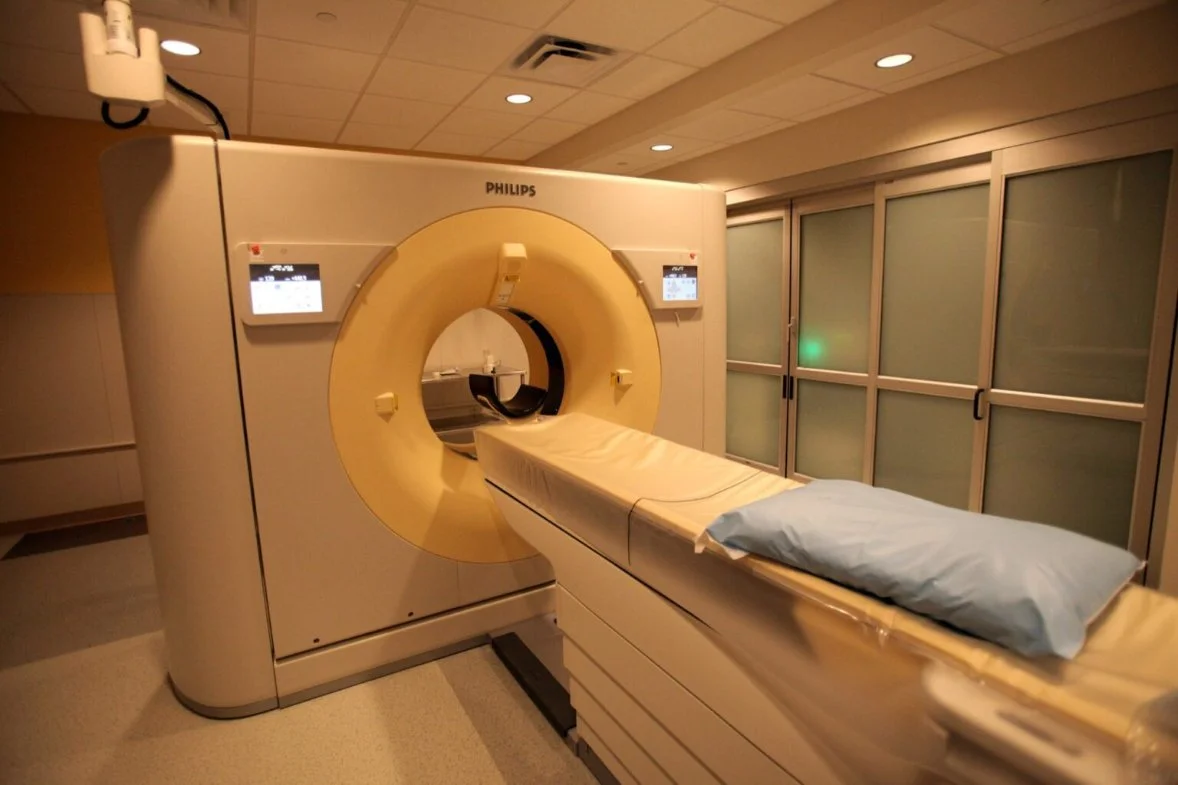
Begrudgingly, and a little nervously, I agreed.