Shel Silverstein’s Expressive Monoline Style
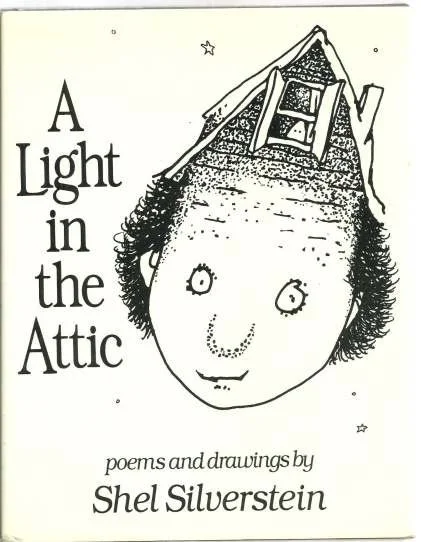
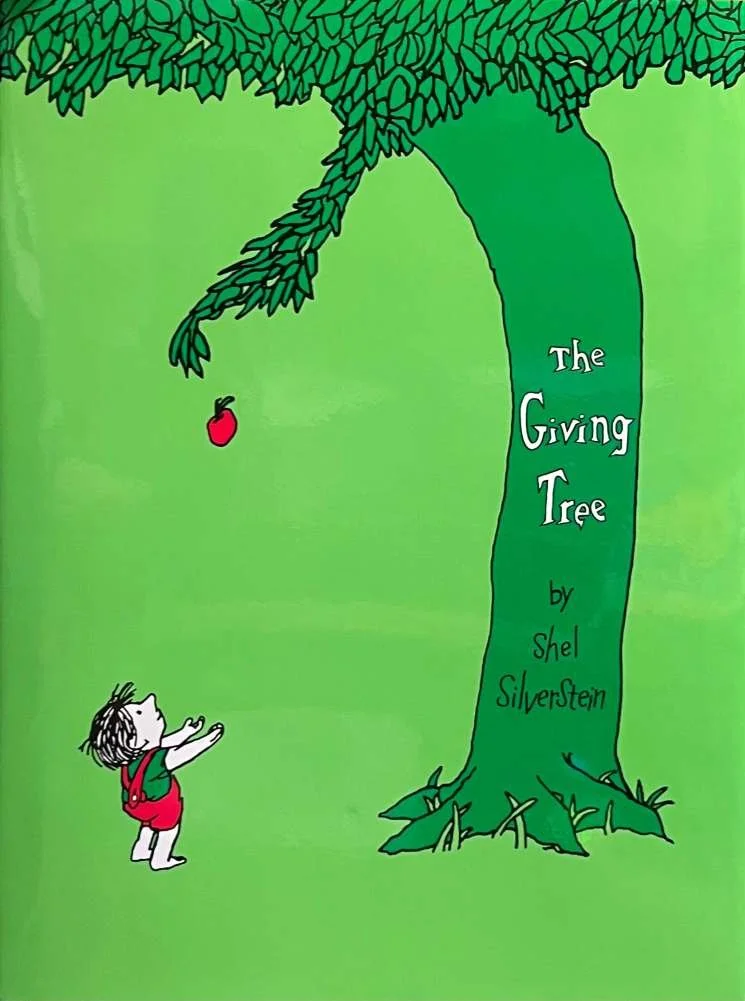
Before diving into the digital renaissance of monoline, it’s important to recognize that the appeal of a single-weight line was proven long ago. A prime historical example is Shel Silverstein (1930–1999). He’s a beloved poet, cartoonist, and author of The Giving Tree and Where the Sidewalk Ends. Silverstein’s drawings are masterclasses in expressiveness achieved with the simplest of tools. Armed with felt-tip pens and technical pens (like the Rapidograph), he produced illustrations with clean, uniform outlines and virtually no shading or hatch marks. Every element in his compositions, from a child reaching for a tree’s branches to a quirky character from a poem, is defined by bold single-weight lines, ample white space, and deliberately chosen shapes.
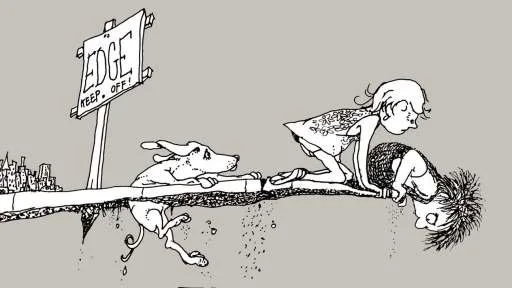
Silverstein’s approach shows how a limited visual vocabulary can become deeply expressive. By eschewing variation in line thickness, he made each line count through its shape and placement. For instance, a single curved stroke could represent a mischievous grin or a slumped posture, conveying mood with utter simplicity. The lack of shading meant that he had to communicate volume and texture implicitly; and yet, readers of all ages find his images instantly legible and emotionally resonant. In a very real sense, Silverstein’s work turned a tool limitation into a narrative strength. The consistent lines give his pages a welcoming, accessible feel, as if inviting the reader to imagine coloring them in or drawing their own versions. This has proven remarkably effective for children’s literature, where clarity and friendliness in artwork are paramount.
Why highlight Silverstein? Because his art answers our first guiding question about tools shaping aesthetics: the uniform lines forced by his pens did not hinder his creativity; rather, they actively molded his style into something timeless. Decades later, the enduring popularity of his books hints at the lasting appeal of visual simplicity. It demonstrates that even in a world of high-definition digital art, a hand-drawn monoline sketch can carry profound emotional weight and connect with audiences. In short, Silverstein’s legacy reveals how monoline art, far from being “minimal” in impact, can foster a strong emotional and cultural connection through its very simplicity. This sets the stage for understanding why the monoline aesthetic has resurged and how it adapts in the hands of modern creators.