Page 1
![Ape Escape: “monkey's feet can be see[n] through the rock he is above of” Screenshot by u/crisprcas9 on Reddit](/_astro/ps1lowpoly-002-page-01.xyff1rGr_2bblPv.webp)
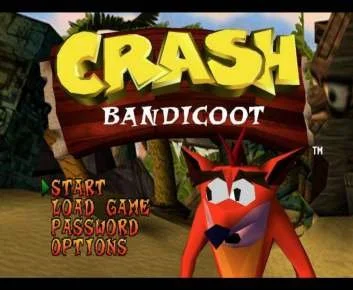
The original PlayStation (PS1) era of the mid-1990s introduced 3D graphics defined by low polygon counts and tiny textures, which was a necessity of limited hardware that produced a distinctive low-poly look. Early 3D games on consoles like the PS1 and Nintendo 64 featured blocky characters with flat textures, often considered crude by later standards. Yet over time, this low-poly aesthetic has evolved from a technical quirk into its own art style, cherished for its nostalgia, charm, and creative possibilities. In this paper, we explore the history of PS1-style low-poly graphics and how those limitations gave rise to a unique visual culture. We then examine contemporary creators who deliberately emulate the PS1 low-poly aesthetic in animations, music videos, and indie shorts (sometimes to evoke cozy nostalgia, other times to craft surreal or eerie moods), illustrating how what was once a limitation has become a vibrant artistic choice.