The Fiberglass Revolution: Durability and Mass Production
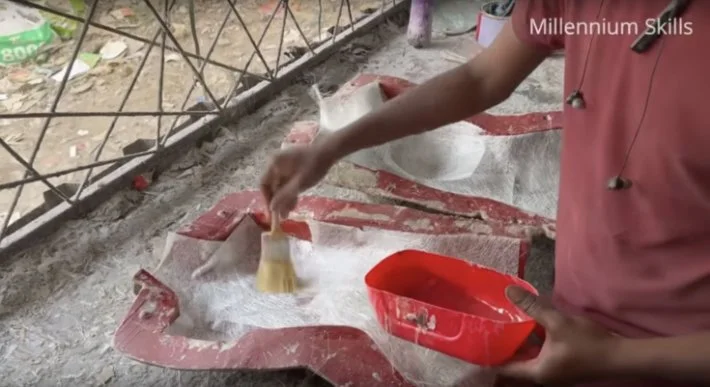
A significant turning point in mannequin construction arrived around the mid-20th century with the introduction of fiberglass, or glass-fiber reinforced plastic, by the 1950s. This material innovation brought a host of advantages that fundamentally altered mannequin production and utility. Fiberglass is lightweight yet exceptionally strong, allowing for easy molding into detailed, lifelike shapes. It could be finished with various paints or textures, enabling both realistic and highly stylized appearances, surpassing the limitations of earlier plaster forms. Its relative lightness also made it significantly easier for retail staff to maneuver and rearrange displays.
Crucially, fiberglass addressed the inherent problems of its predecessors: it did not melt under heat like wax, nor was it as heavy or brittle as plaster. This physical durability is a primary reason mannequins "endure" in a literal sense. They are built to withstand the constant dressing, undressing, and occasional bumps inherent in a retail environment. Furthermore, fiberglass and similar plastics are resistant to decay; they do not rot, rust, or biodegrade. This inherent non-biodegradability means that once a mannequin is created, it can persist for a very long time—decades, even hundreds of years—if not intentionally destroyed, though this also presents an environmental challenge if discarded in landfills.
The widespread adoption of fiberglass, which became the global standard for mannequin production starting in the 1960s, cemented the modern mass-produced mannequin as a physically enduring object. While cheaper plastic alternatives exist today, fiberglass remains a popular choice for higher-end displays due to its superior realism and longevity. This material resilience ensures that mannequins can outlast fashion trends and even the very stores that initially stocked them, becoming long-lasting witnesses to the ebb and flow of consumer culture.