The Middle Path: Not Erasure, Not Perseveration
This is where I keep returning to the metaphor from Subliminal, because the more I sit with it, the more useful it becomes as a way to understand what I am trying to do with this paper without accidentally turning the paper into the very thing it is supposed to help me avoid. There are, at least in the way I understood the video, three broad paths through trauma: you can obsessively return to the wound until it consumes your attention and begins to replace your life, you can try to erase or bury the memory so completely that you protect yourself by losing access to pieces of your own continuity, or you can confront the thing with enough structure and care that confrontation becomes integration rather than self-destruction. Obviously real psychology is more complicated than a game ending tree, because the human mind does not usually present us with three labeled doors and a convenient save point before each one (unfortunately), but as a symbolic map, it helped me articulate something I had been feeling without knowing how to say.
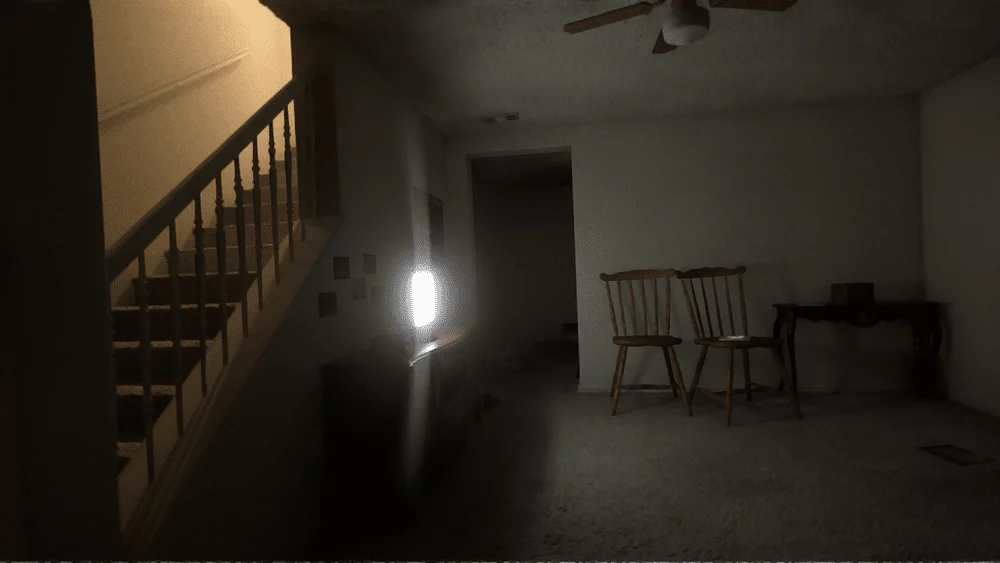
I do not want to perseverate. That is the fear that keeps coming up as I write this, because there is a version of this paper that could easily become me circling the trauma over and over, trying to wring certainty, justice, closure, or a clean explanation out of it, and every time the paper failed to give me those things I would simply circle harder. I know myself well enough to recognize that risk. I can hyperfixate on intellectual subjects in a way that feels productive until I realize I have not eaten, not moved, not emotionally exhaled, and have somehow convinced myself that the next paragraph, the next source, the next memory, the next perfectly worded explanation will finally make the whole thing settle. Sometimes writing is processing. Sometimes writing is poking the bruise with prettier language. The difference is not always obvious in the moment, especially for someone like me, who can make analysis feel so meaningful that I forget analysis is not the same thing as healing.

At the same time, I do not want to erase it. I do not want to shove this entire subject into a mental basement and pretend that because I have written about TiTS, relationship anarchy, autonomy, and consent in more positive ways, the darker middle no longer needs to be acknowledged. That would be its own kind of dishonesty. It would make the healing look cleaner than it was, and it would require me to abandon the version of myself who was genuinely hurt, genuinely frightened, and genuinely altered by what happened. I think people sometimes imagine healing as the ability to become graciously quiet about pain, as though the most mature version of a traumatized person is one who can say, “It happened, but I have moved on,” with a calm smile and no remaining complications. I do not think that is always true. Sometimes healing requires remembering more honestly, not less. Sometimes it requires refusing to let the pain become the entire story, but also refusing to let the story become so polished that the pain is no longer visible.
So the middle path, for me, has to be something like intentional remembering. Not remembering as a compulsive loop, and not remembering as self-punishment, but remembering with a container around it. This paper is part of that container.
Thank you for being open to follow me on my journey. I’m not there yet, but I am still walking, still progressing forwards.