GinjaNinjaOwO – Storytelling with Crisp Lines
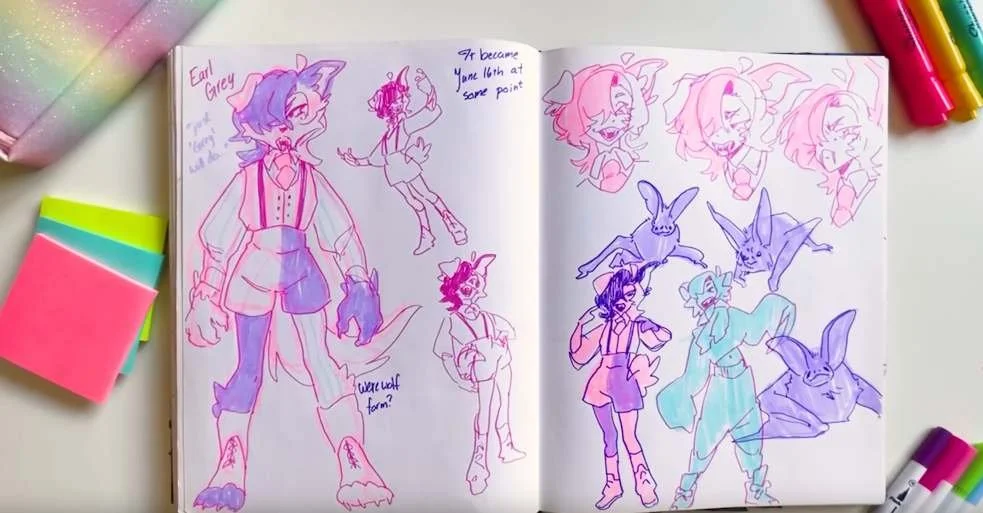
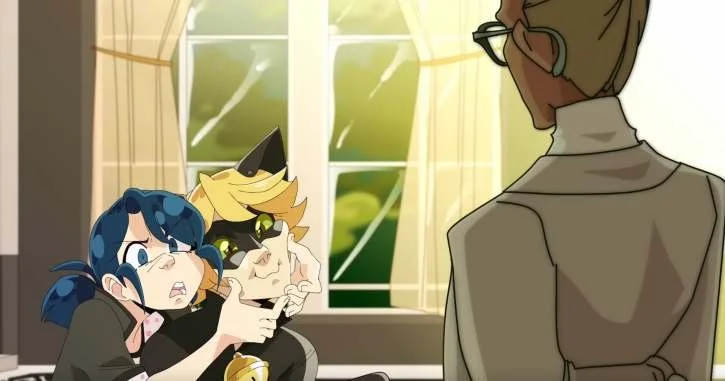
Monoline art isn’t only for viral shorts and rotoscoping; it’s also a staple of the thriving art-animator community on YouTube. GinjaNinjaOwO (known off-platform as June, and often referred to by the persona name “Rea”) is a veteran YouTube animator who has amassed over a million subscribers with her blend of storytime videos, meme animations, and art challenges. A defining feature of her work is the use of clean, black outlines for characters and objects, filled in with bold colors: a classic monoline cartoon style. In her storytime animations, June narrates personal anecdotes or humorous rants while cartoon versions of herself and others act them out on screen. The visual presentation needs to be simple and clear so as not to distract from the narrative, and that’s exactly what her consistent line art provides. Every character and prop is drawn with the same stroke weight, giving the animation a cohesive, polished look as if the frames were illustrations from a comic book.
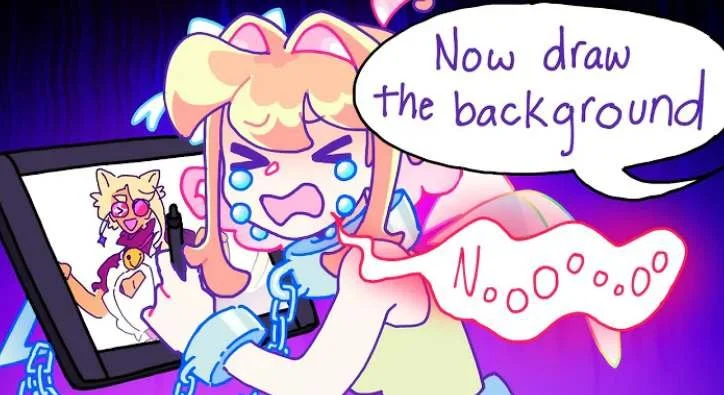
Technically, GinjaNinjaOwO comes from the Adobe Flash/Animate tradition, which naturally produces uniform vector strokes unless varied by pressure. Her long experience (active since 2011) means her style evolved from the DeviantArt and Newgrounds era where “clean lineart + flat fill” was the gold standard for digital drawings. What’s notable is how she has carried that aesthetic into the current era of fast-paced YouTube content without missing a beat. Viewers find her animations “adorably crisp” and approachable. There’s a nostalgia factor too, as the look harkens back to the cartoons many fans grew up with. Yet it’s modern in its high resolution and often vibrant, on-trend character designs. The monoline style thus serves both form and function: it keeps the visuals immediately readable (crucial for YouTube’s young, often multitasking audience) and it reinforces GinjaNinjaOwO’s personal brand of being down-to-earth and creatively consistent. Even when she takes on design challenges or collaborates on multi-animator projects, her segments are recognizable by the confident, unwavering linework.
GinjaNinjaOwO’s success story highlights a few broader points. First, it underscores how tool constraints can drive aesthetic choices: the stability and limitations of early Flash software nudged an entire generation toward consistent outlines, answering our question about mechanics shaping art. Second, it shows the longevity and adaptability of the monoline look. A style born in niche online forums has migrated to mainstream YouTube and still excels at clarity and audience engagement, addressing our second question about why the style resurfaces. Finally, Ginja’s journey hints at community influence: having grown up in a community that celebrated clean line art, she in turn inspires new artists on YouTube to value those same principles, contributing to a continuous cultural thread (our third question). In essence, her work bridges the old and new, proving that a “limited” style can thrive across formats and generations.