Shermy’s Forest and A Kind Remark
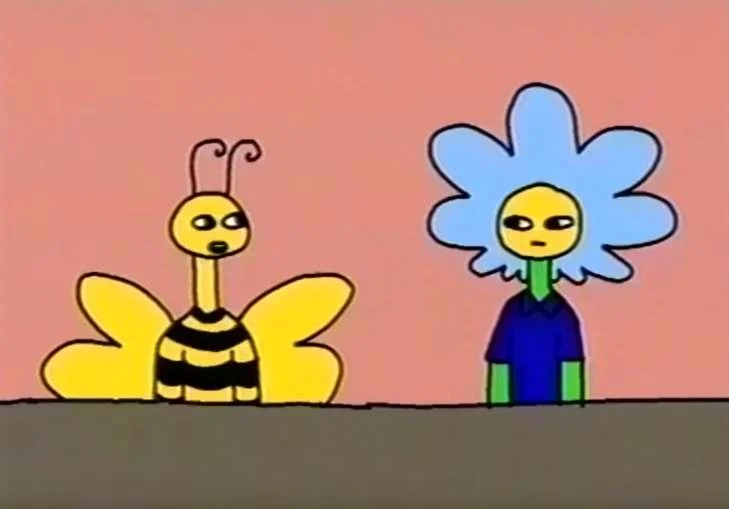
Finally, even within small indie corners of YouTube, monoline animation is pushing creative boundaries. Two notable niche creators are Shermy’s Forest and A Kind Remark, who both leverage consistent line art but in different genres.
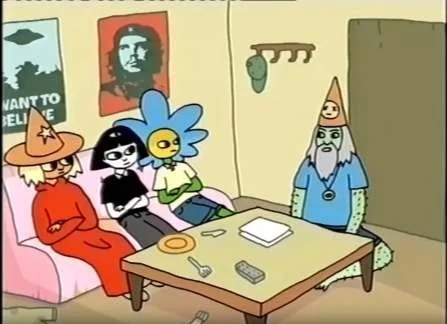
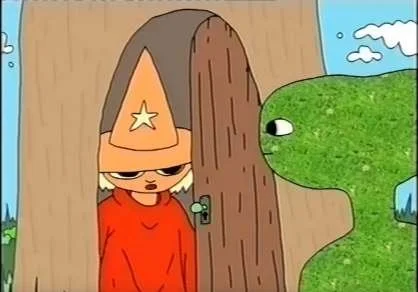
Shermy’s Forest is an imaginative series that feels like a blend of fantasy and absurdist humor, presented with a distinct VHS retro aesthetic. The creator uses clean, hand-drawn outlines for characters and environments, then intentionally overlays them with tape-like glitches and soft-focus distortion, as if you’re watching a worn VHS tape of a 90s cartoon. The stories themselves are whimsical and largely improvised in dialogue (a bit like how Joel Haver does, or even reminiscent of Rick and Morty’s off-the-cuff banter). Here, the monoline style contributes to a dream-like atmosphere. The simple lines make the visuals feel like a classic storybook, which contrasts intriguingly with the odd, sometimes surreal situations that unfold. The consistency of the lines also helps when the creator introduces wild, imaginative elements; no matter how crazy the scenario (talking ‘rocks’, magical mishaps, etc.), everything belongs to the same visual universe outlined in the same weight, so the audience can suspend disbelief and just enjoy the ride. Shermy’s Forest shows the flexibility of monoline aesthetics: by keeping illustrations simple, the creator can focus on improvisational storytelling and humor, knowing the visuals will support rather than overwhelm the narrative. It’s an applaud to the continued appeal of the style, even as a nostalgia trigger, because many viewers find comfort in the analog look and the straightforward drawings.
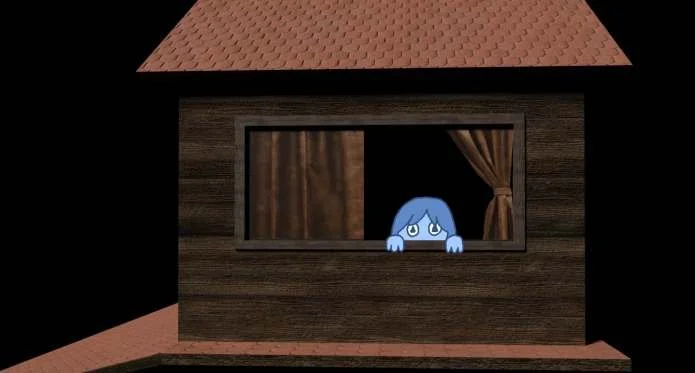
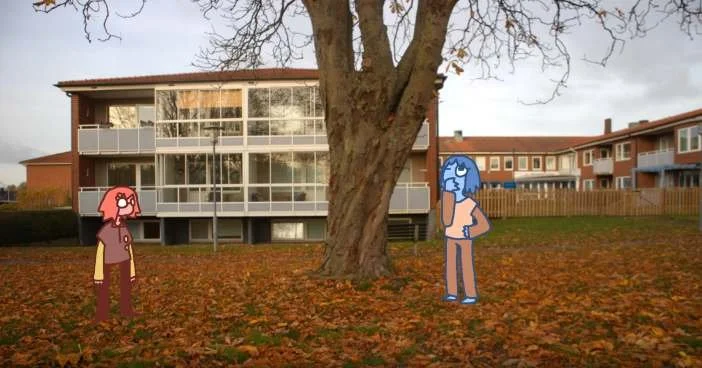
A Kind Remark is a channel known for experimenting with analog horror and psychological storytelling through monoline art. Their series like “Avoid the Void” started with absurd humor, but more recent work (e.g., “Watching Somebody Watching Me”) delves into eerie, unsettling territory, rife with dark themes surrounding mental health. The animations feature the same kind of clean-line characters and objects, often interspersed with real photographic backgrounds or VHS-style visual noise. By all rights, one might think a simple cartoonish line wouldn’t suit horror, but in practice it creates a unique tension. The stark simplicity of a monoline drawing, such as a faceless outline of a person or a crude sketch of an eye, can be oddly creepy in the right context because it leaves so much to the imagination. A Kind Remark leverages silence, minimal movement, and those steady lines to build a slow-burn atmosphere. When something does distort or break the pattern (say, a line drawing glitching or a shape changing), it has a strong impact on the viewer. This again shows how monoline visuals can evoke deep emotional reactions: they strip scenes down to an essence, which can make the audience feel like they’re peering into a raw, unfiltered vision or a child’s drawing turned ominous. Creators like this illustrate that the uniform line style is not one-note. It can be adapted for laughs, nostalgia, or even scares, expanding the narrative potential of the aesthetic.
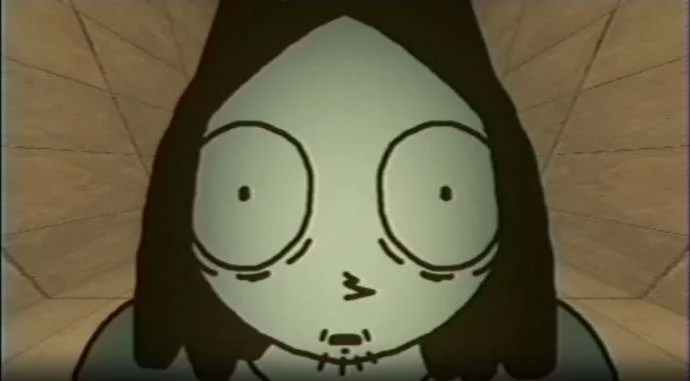
In both Shermy’s Forest and A Kind Remark, we see monoline art merged with other stylistic choices (improvisational dialogue, analog video effects, surreal imagery), yet the consistent linework acts as the anchoring element. These niche creators might have small followings compared to GH’S or GinjaNinjaOwO, but they contribute to the rich tapestry of monoline art’s revival. Their work reinforces the idea that this style continues to evolve and find new expressions, which answers our second question about its resurfacing: monoline endures because artists keep finding fresh ways to use its simplicity to amplify stories and emotions. And as each of these creators has shown, whether you’re aiming for a laugh or a shiver, sometimes the most straightforward line is the most effective path to your audience’s reaction.