I. Crossdressing, Feminine Clothes, and the Accuracy of the Words
The first layer of the issue is language. I prefer using the term "feminine clothes" in queer spaces. From what I can tell, it describes a sense of fashion without making the focus land on a full explanation of my personal history every time. In queer spaces, people often already understand the rough shape of what I mean, so it can be less exhausting than constantly building a careful frame around my answer. In short, they understand it faster. In more general spaces, I usually will just let them find out by exposure, but if the topic comes up, I will ascertain that I crossdress, since it conveys that my gender identity is not aligned with what society expects from my current fashion (crossdressing has been used historically for non-alignment or at least is most visibly perceived as such, thus the emphasis on the term "cross").
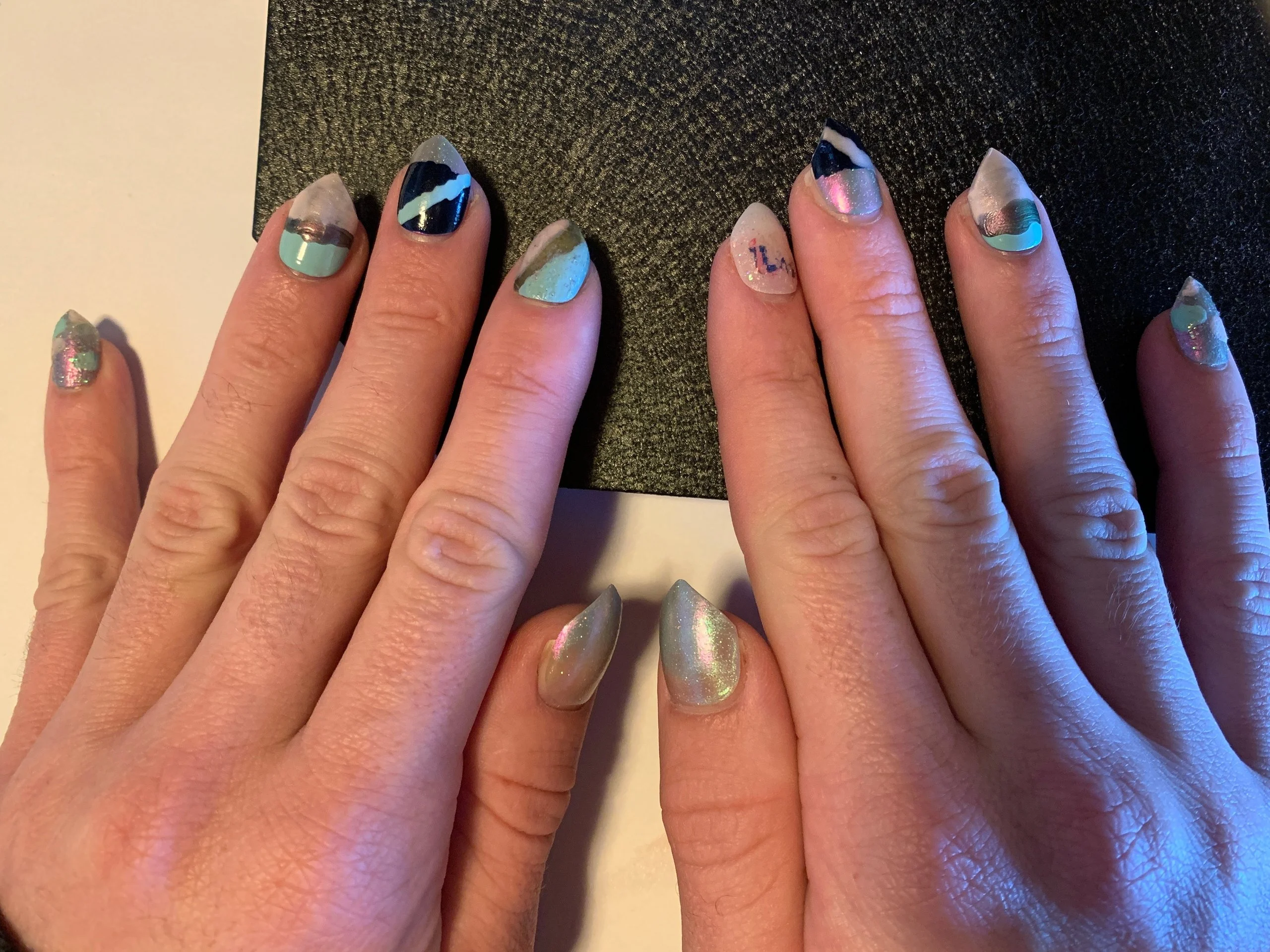
Even then, if I want the clearest word, I mean skirts and dresses. And I do like painted nails. I like ruffles and other means of fabric fullness. Skirts and dresses are the most accurate (and actionable in a thrift store). However, I do not wear or like makeup. Saying feminine clothes is far too broad, since I do not really care for certain necklines that have been associated with feminine wear, among other garments that are described by the broad label.
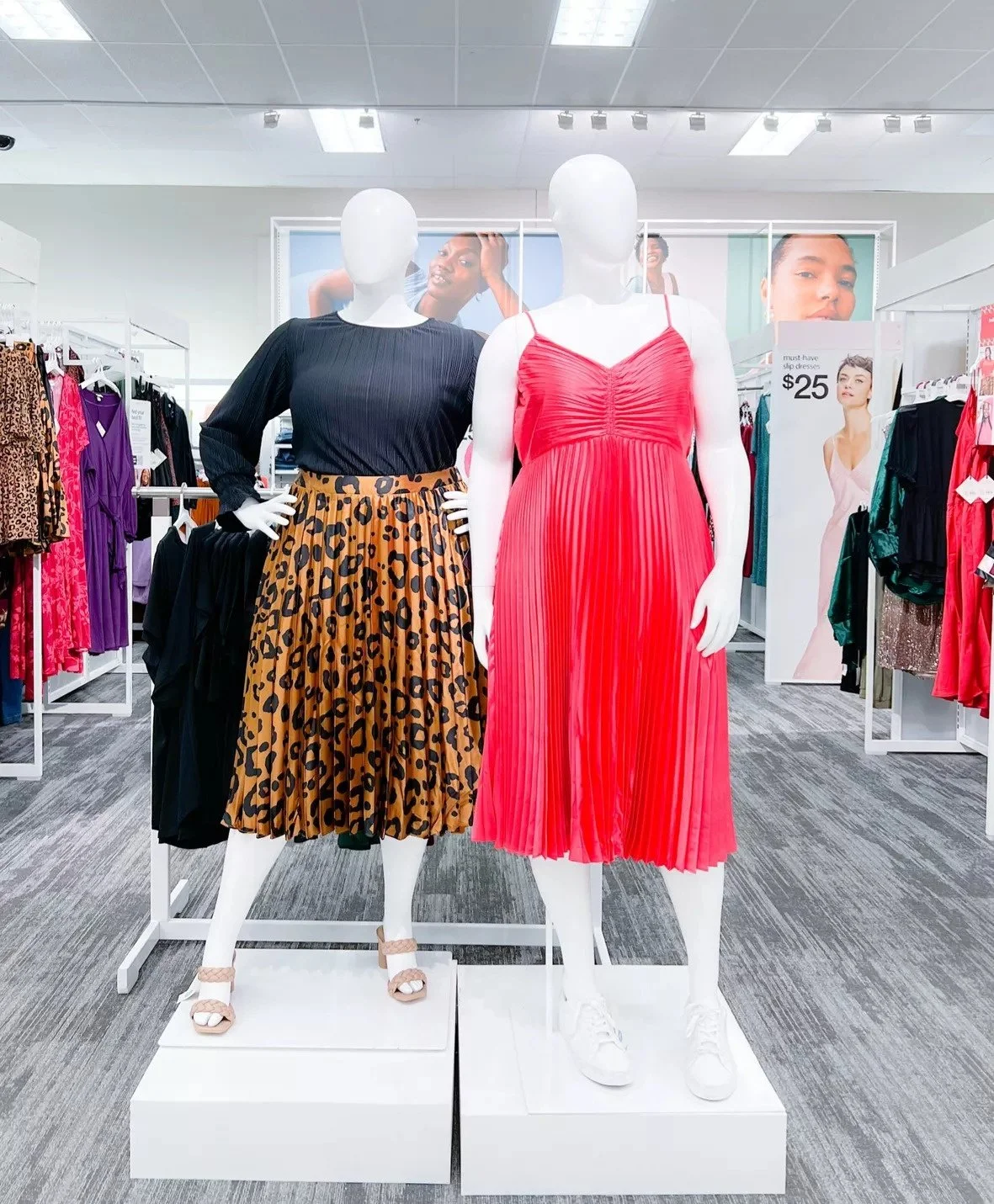
Social coding still matters, though. The store section is a big part of why I perceive the clothes as feminine. It took a while for me to feel more comfortable browsing the sections of the store that I always looked fondly over when walking past, but it always took too much bravery to ever enter. Now, I enter it, still with reservations and a bit of nervousness, but I am able to shop much more easily at thrift stores than large stores like Target (though I don’t like Target anymore for values reasons around LGBT+ support). I do like the Target mannequins though but that is a side tangent. See The Life, Death, and Afterlife of Mannequins if you're interested in more.
When I wear feminine clothes, I don't feel feminine at all. Sometimes excessively feminine clothes end up highlighting my masculine traits, including but not limited to stiff / reserved movement, making broad shoulders feel more visible, and contrasting my facial hair. I wholeheartedly like feminine clothes paired with facial hair, including seeing that pairing on other people. I just want this to be a positive declaration, not demeaning, and not turning the style into something fetishizing either. I appreciate the style because of my own experience with feminine clothes and a beard, irrespective of my gender identity. So regardless of others’ gender identity: I love that style (fully selfishly since I also have that style).
So… Feminine as an aesthetic, for me. I mean aesthetic in the split attraction model sense, where aesthetic, romantic, and sexual attraction can be understood as separate experiences rather than one automatic bundle. Aesthetic appreciation, in this case, is about what I like looking at, arranging, sewing, wearing, or seeing in motion… not making a claim that femininity is only a visual style for everyone. Femininity can be identity, safety, culture, performance, expectation, gender affirmation, or a hundred other things depending on the person. But when I use it for my clothing taste, it's a grouping of ideas that society has put together, a pattern if you will, and I can appreciate the vibe. Since that vibe is broad, it does suffer from being overgeneralized, misinterpreted, and has a lot of downsides that common speech doesn't often have the time to define, it just has to use it and bear with the possible consequences. I could refine it just to dresses and skirts. It conveys the actual clothing articles, though I broadly state that I dress feminine but I see how that could fall short or misrepresent what I mean.
Fashion taste is the main thing I want people to understand. It is also a part of my queerness. Specifically queerness, since queer is more about how it "encompasses fluid sexual and gender practices that defy heteronormative standards". It is also a part of my wardrobe, since I have reduced the amount of masculine clothing and thus a lot of my crossdressing is everyday wear that I just choose off the top of the stack.
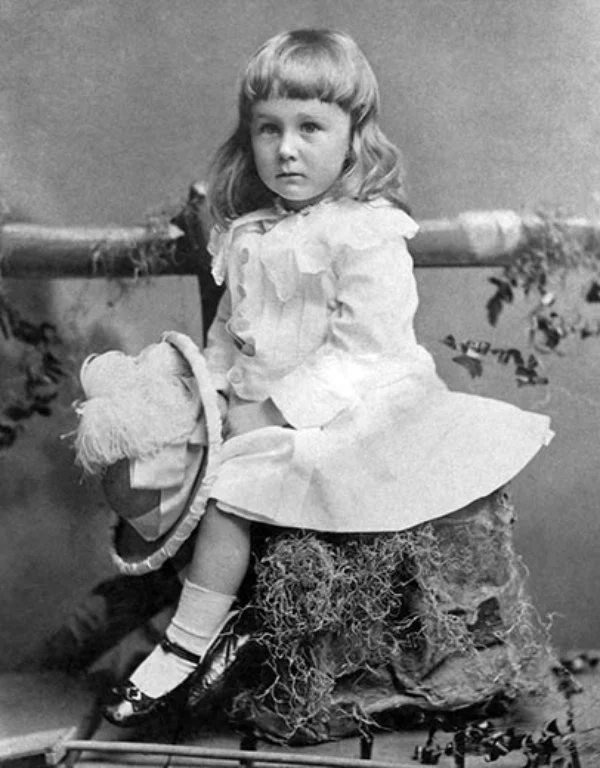
This also explains why the term gender-nonconforming implies too much. Sure, I dress up in what could be considered as a gender-nonconforming way, as it literally is not aligned with what society currently perceives. However, that changes (let’s remind everyone that historically, it was standard practice in the Western world for young boys to wear dresses until around the early 20th century (roughly 100 to 120 years ago). Boys typically wore gowns and dresses until age 6 or 7, when they had their hair cut and transitioned to trousers in a celebrated rite of passage called 'breeching') so it isn't the best metric of my normal wear. If I could say as clearly as possible, I don't believe I like skirts and dresses because of who wears them. I like them in isolation, which is apparent in my desire to dress up my mannequins in them. That is also why, in the hypothetical future shopping trip, I would let my kids shop in the boys and girls sections for toys, clothes, everything. I always had so much desire for those sections and never felt socially allowed, and I would rather not recreate that invisible fence for someone else. I finally was able to jump over that fence. I can now dress myself up in skirts and dresses, and I would appreciate them on anyone else if they chose to wear them, regardless of body type, gender identity, age, any of the long list of possibilities.
I can also still use broad categories when they are useful. Gender is often discussed as a spectrum, but even that metaphor has caveats: some people experience gender through a binary, some across a range, some outside of that range, and some not as a spectrum at all. During the times I perceive my gender as agender (or without gender, in my case), I would not necessarily place myself on that line. However, the common separation between man and woman is still useful in some social communication, or at least in navigating the changing landscape between traditional and contemporary society. So yes, I can understand why "opposite gender" still lands within many communication strategies, even if it is a very broad and imperfect phrase. Though again, I can always go beyond the broad strokes and define what fashion style I like. Language can be accurate if we want, and those broad categories, while occasionally useful, can exclude or not capture everyone's experience (including my own).